Destiny 2's Forging Iron: A 2026 Look Back at the Rift Revolution
Destiny 2 Iron Banner's Forging Iron quest teaches Rift and rank boosts in three steps. Rift tips and reputation multipliers explained.
In the summer of 2022, Destiny 2's Season of the Haunted did something that made veteran Guardians sit up: it revamped Iron Banner and handed Lord Saladin a new introduction quest called Forging Iron. By 2026, that season feels like a time capsule, but for anyone who queued into the playlist back then, the quest still carries the sting of a first-day raid wipe—educational, a little messy, and impossible to forget.
Kestrel, a veteran Hunter with more flawless Trials cards than patience, walked up to Saladin expecting the usual bounty board. Instead, the old Iron Lord offered a reputation track and a pointed absence of bounties. The message was clear: Iron Banner had gotten the memo and joined the modern reward economy. No more bounty hoarding, no more spreadsheet gymnastics before a match. Just reputation, ranks, and a new activity called Rift.
Rift was the headline. Two teams of six clashed in a mode where one Guardian, the Runner, had to carry a Spark to the enemy Rift. Teammates could revive fallen allies, much like Trials of Osiris, and matches ended when one team won five rounds. Kestrel's fireteam learned fast that Rift was not a lone-wolf playlist. You had to stick with your squad, call out pushes, and know when to defend the Rift or go full throttle for the objective. The Forging Iron quest walked players through their first few Rift matches, which was a smart way to teach the ropes without a lecture.
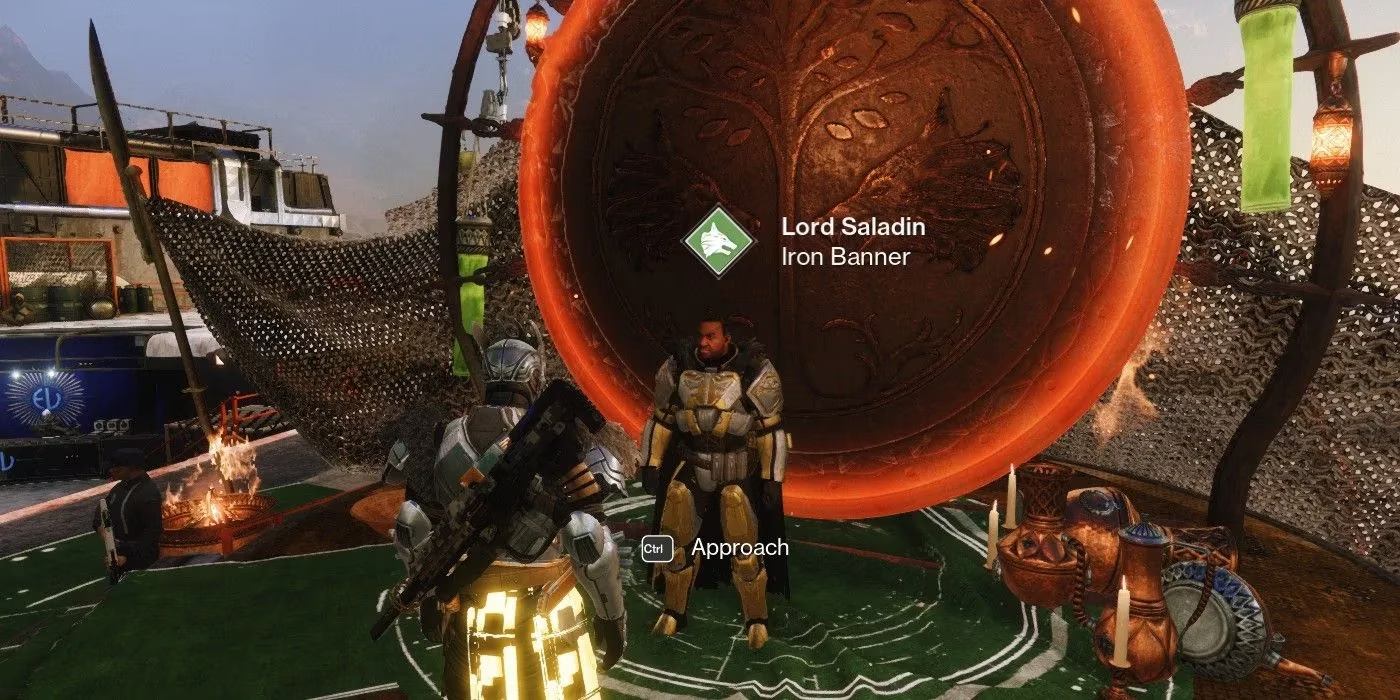
The quest had three significant steps, and each one had a little fine print. Step one asked for a single match, win or loss. Kestrel told her fireteam, 'No sweat, just do not feed.' She also checked the Pinnacle Gear reward requirements, because Destiny loves a good footnote. Step two read 'Complete a daily challenge.' In practice, these were marked as weekly challenges and worked like the Vanguard playlist: complete a set number of matches and be attuned to a specific subclass, such as Solar or Void. Kestrel swapped to Solar 3.0, mostly because Season of the Haunted had turned the whole sandbox into a solar-powered bonfire. Step three demanded 300 Iron Banner Rank points. That usually took about three or four matches, but there were ways to juice the reputation multiplier.
The quest broke down like this:
| Step | Objective | What to watch |
|---|---|---|
| 1 | Complete one Rift match | Win or loss both count; check the Pinnacle Gear requirements |
| 2 | Complete a daily challenge | Marked as weekly challenges; set match count and subclass attunement |
| 3 | Earn 300 Iron Banner Rank points | About three or four matches; stack reputation boosts |
How Iron Banner Rank Boost Works in Destiny 2
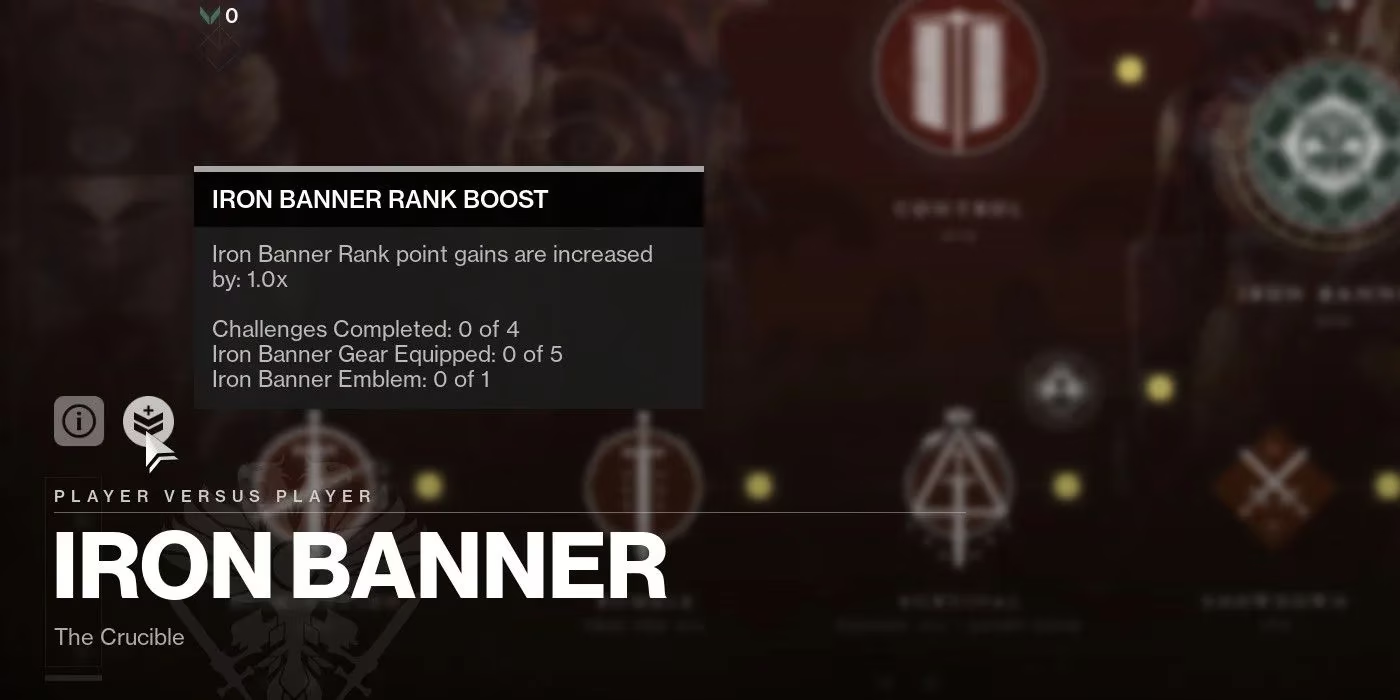
The boost system was where things got interesting. By selecting Iron Banner, players could hover over an icon that showed their current boost and how to increase the multiplier. The first and easiest method was equipping an Iron Banner Emblem from any previous season. Guardians could also complete the weekly challenges and wear five pieces of Iron Banner armor. Here was the kicker: players could equip a skin of the armor over their current gear and still gain the bonus. Putting an Iron Banner skin from a different season over an already equipped piece of Iron Banner armor counted as two pieces. It may have been an unintended effect and could have been patched later, but at the time it freed up extra gear slots. Kestrel called it 'the old two-for-one special,' and her fireteam laughed all the way to the reputation track.
Season of the Haunted kept revitalizing old content. Week one brought back the Leviathan in a corrupted state, and Guardians were lighting up Calus's Nightmares with Solar 3.0 builds. Iron Banner's reputation reward system and Rift activity fit that same mood: familiar content, new coat of paint, and a reason to care about the playlist again. There was still plenty of time left to enjoy the new content, and only time would tell what else the season had in store.
By 2026, Destiny 2 has moved through many seasons, but the Forging Iron chapter remains a handy case study. It showed how a legacy mode could be dragged into a reputation track, how Rift could reward team play, and how a simple intro quest could teach players the ropes without a lecture. Veterans still joke about the boost math and the armor-skin trick; newer Guardians can treat the 2022 chapter as a history lesson in why reading modifiers matters. At the time, Destiny 2 was available on PC, PlayStation 4, PlayStation 5, Xbox One, Xbox Series X|S, and Google Stadia. GG to everyone who survived the grind.
This overview is based on The Verge - Gaming, whose reporting on live-service design helps frame why Destiny 2's 2022 Iron Banner overhaul mattered: moving rewards away from bounty stockpiling and toward a cleaner reputation loop made Rift feel less like a side experiment and more like a deliberate attempt to modernize PvP progression around teamwork, readability, and seasonal engagement.