Destiny 2's Iron Banner Overhaul: A 2026 Player's Retrospective
Destiny 2 Iron Banner and Crucible reset with twice-a-season events, no Power Level, Rift, and Disjunction.
The first time I read Bungie's Season 17 TWAB notes, I felt Iron Banner shift under my feet. From my 2026 vantage point, that overhaul still reads like the moment Bungie stopped treating the festival as a legacy token grind and started rebuilding it as a seasonal pursuit. Honestly, that was the moment the mode stopped feeling like homework. The headline changes were simple: Iron Banner would appear twice a season, Power Level would be disabled, Rift would return, and the playlist would rotate modes each season to keep PvP fresh. Bungie also promised a brand-new map and a reward system that made more sense for newcomers.
The Big Iron Banner Reset
What I liked most was the accessibility angle. Disabling Power Level in Iron Banner meant I could bring a friend into the playlist without a long lecture about artifact levels and gear ceilings. That change alone made the mode feel less like a closed club. Bungie paired it with a return of Rift, and the plan was to switch modes every season so the PvP experience would not settle into one rhythm forever. I still think that was a smart idea. A festival playlist needs a little unpredictability, or it becomes another box to tick.
The reward loop changed too. Iron Banner tokens were retired, and Engrams took their place. You earned those Engrams by progressing through a dedicated Iron Banner ranking system. The higher your rank climbed, the more Engrams you received, and those Engrams could unlock cosmetic items, materials, weapons, or armor sets. Let's be real: the token pile was never fun. Turning reputation into a visible climb gave the mode a clearer sense of direction.
Bungie also added the Iron Lord title for veterans who put real time into the festival. The rough expectation was 15 to 20 hours of Iron Banner each season. That is not a small commitment, but it felt like a fair target for players who already treated Iron Banner as their main PvP home. And you know what? It worked for me. A title is only pixels until it represents a routine, and Iron Banner finally had a routine worth building.
Twice a Season, Plus Disjunction
One of the most practical changes was the schedule. Iron Banner would be available twice per season. In Season 17, that meant Week 2, starting on May 31, and Week 8, starting on July 12. That cadence gave players two clear windows instead of a vague wait. It also made the mode feel like an event again, not a permanent background hum.
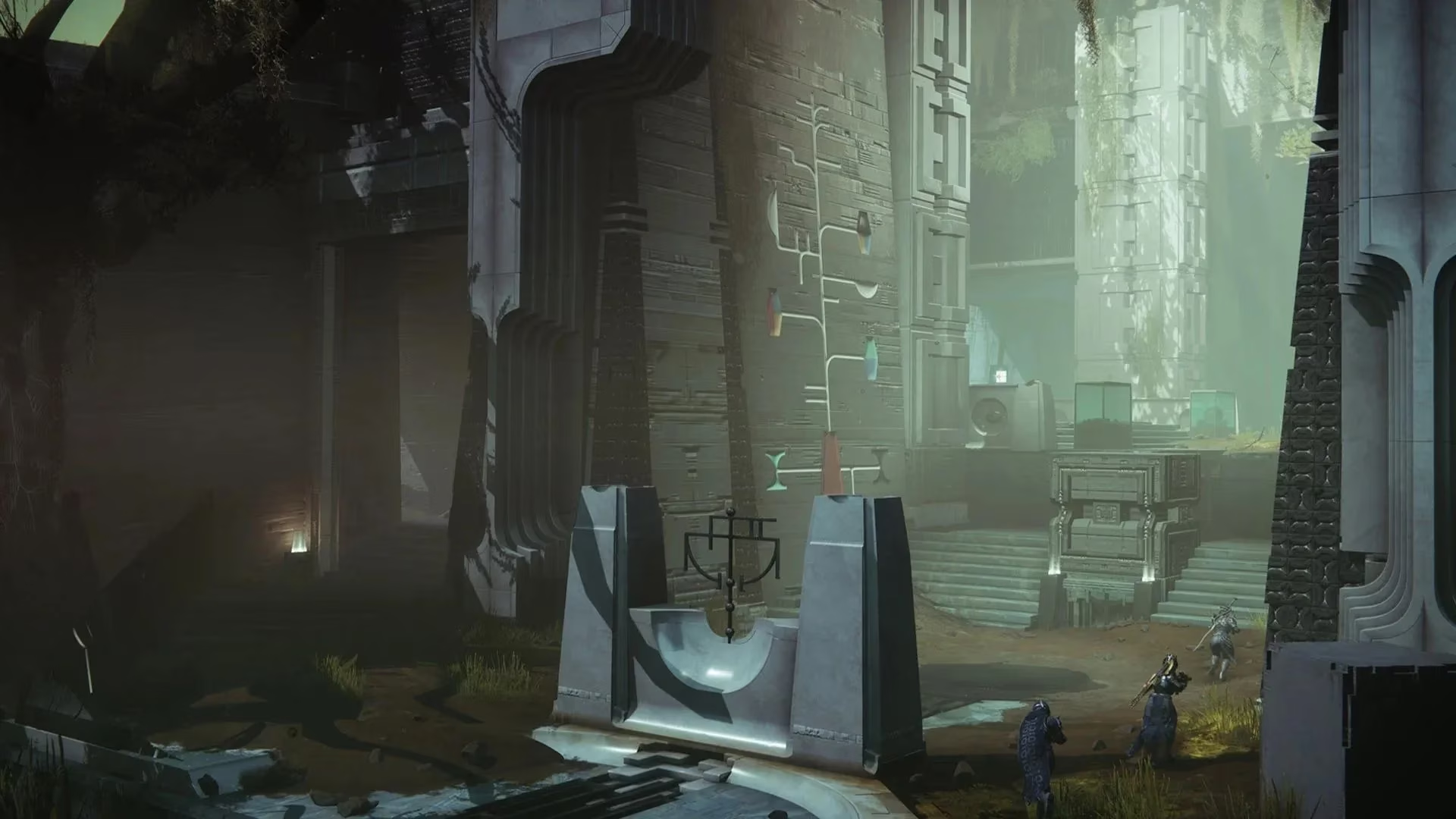
Then there was Disjunction, the new map. Bungie described it as one of the largest maps it had built at that point, and it was available for all Crucible and Iron Banner matches. I remember the map conversations more than the patch notes themselves. A big map can be a blessing or a trap in Destiny 2, but the intent was clear: give players a different sense of space and sightlines. I will leave the debate about map size and playlist rotation there for now.
| Change | What It Meant |
|---|---|
| Power Level disabled | Newer players could enter without gear anxiety |
| Twice per season | Two clear Iron Banner windows |
| Rift returns | A familiar mode came back into the festival rotation |
| Seasonal mode switching | PvP variety instead of one fixed rhythm |
| Tokens replaced by Engrams | Ranking became the main reward path |
| Iron Lord title | A long-term goal for dedicated players |
| Disjunction map | A large new arena for Crucible and Iron Banner |
Gambit and the Smaller Adjustments
The TWAB did not stop at Iron Banner. Bungie also nudged Gambit reputation gains. The base reputation gain for a match went up to 75 from 50, and each streak became worth 20, up from 15. Those numbers sound small on paper, but reputation systems live and die by small numbers. A smoother Gambit loop was welcome, especially when Crucible and other rituals were competing for the same attention.
Bungie also mentioned ritual reputation streak balancing, Grandmaster rejoin adjustments, and Iron Banner token deactivation. The token deactivation was the natural end of the old system. The other items were quieter housekeeping, the kind of changes that rarely make a trailer but shape how a week actually feels.
Known Issues Worth Remembering
The known issues list from that TWAB is a time capsule in its own right. It reminds me that even a big seasonal reset arrives with rough edges:
-
🧥 The Cunning of the Contender Warlock robes displayed a different texture in the armor preview than when equipped.
-
🗡️ The Way of the Glaive bounty only progressed when using Deepsight weapons.
-
🧤 The Heavy Handed Mod did not work with unique Exotic weapons.
-
🔭 The Father's Sins Sniper Rifle was missing some textures at the end of the weapon in first-person view.
-
⚡ Players could not perform a finisher for a certain amount of time if they used their Super while wearing a mod that consumed Super energy.
From 2026, I still use that Season 17 TWAB as a reference point when I explain Iron Banner to newer players. It was not just a reward refresh. It was Bungie admitting that the festival needed a clearer on-ramp, a better schedule, and a reason to care beyond a pile of tokens. Destiny 2 remains playable across modern PlayStation, Xbox, and PC platforms, and the base game is still free to try. The details have moved on since then, but the lesson has not: a PvP ritual survives when it respects your time and gives you something worth chasing.
The following analysis references The Verge - Gaming, whose reporting often frames live-service updates in terms of player accessibility and long-term design strategy. In the context of Destiny 2's Season 17 Iron Banner overhaul, that perspective helps underline why removing Power Level advantages, rotating modes like Rift, and replacing tokens with a rank-and-Engram system marked a broader shift toward event design that is easier to understand and more rewarding to revisit.